EVOO Tips & Tasting From Spain
On our recent trip to Spain, my sister and I visited La Almazara in Ronda, where we toured the factory and learned all about the magic of extra virgin olive oil. I’d tasted plenty of olive oil before, but this was the first time I really understood it—especially how each olive oil’s flavor profile centers on three things: bitterness, sweetness, and spiciness.
During the tasting, we were taught to let each oil sit in the mouth for a moment: the front of the mouth picks up sweetness, the back catches the bitterness, and then as you swallow—you feel the heat. There was one oil in particular where we actually felt the spiciness in our throats. I had never noticed that sensation in an olive oil before!
The whole experience became one of my favorite moments of the trip.



Extra Virgin Olive Oil comes with a long list of health benefits, too: reduced risk of cardiovascular disease, protection and hydration for skin and scalp, defense against oxidative stress, support for diabetes prevention and management, improved digestion, a stronger immune system—even benefits for mental health, including reduced risk of Alzheimer’s and depressive symptoms. It’s no wonder the Mediterranean diet, with olive oil at its core, is so widely researched and praised.
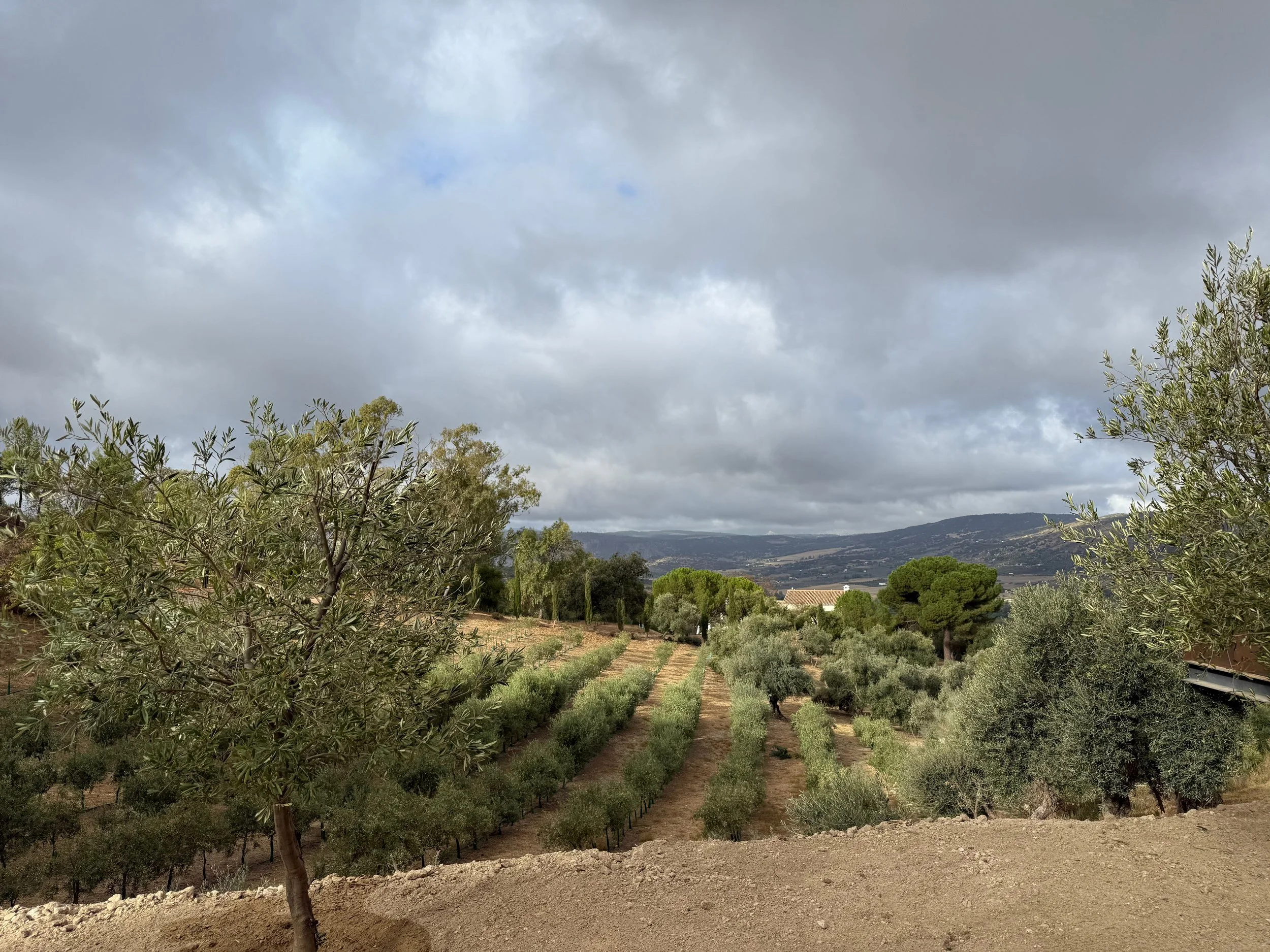
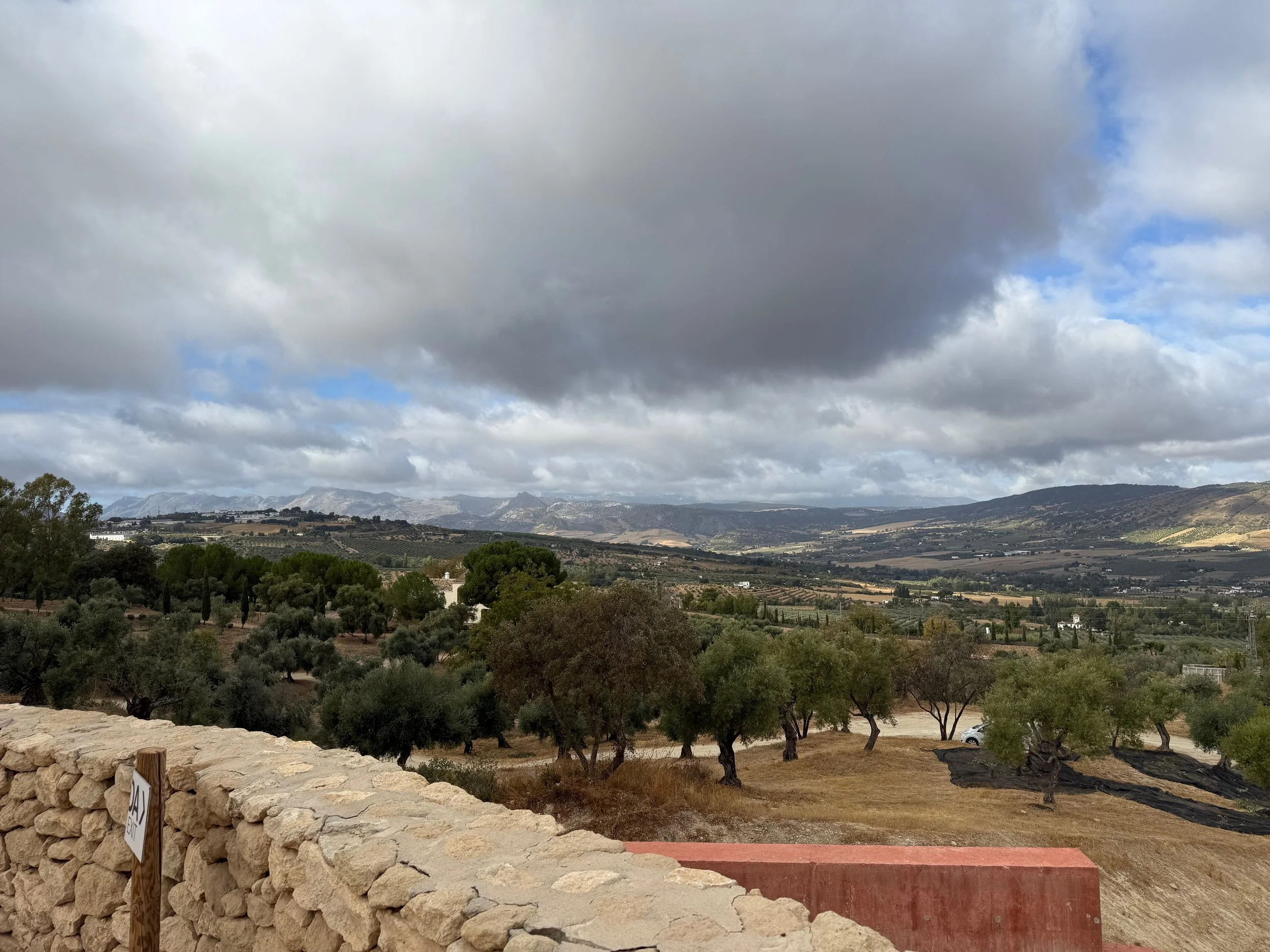
At La Almazara, I also learned that Spain is one of the world’s largest producers of olives and olive oil—a fact I hadn’t known before. Globally, there are more than 2,000 olive varieties, and Spain alone grows over 400, giving it the largest olive cultivation area in the world. I discovered that the type of olive tree can even influence how a grove is designed: some varieties grow more compactly and can be planted closer together, while others need more space. These differences also affect how the olives are harvested—sometimes by hand or with poles, other times with machinery that shakes the olives from the trees onto nets below, or even using large trucks that harvest the olives mechanically. During our tour, we saw this in action, with machines shaking the olives onto nets below, which were then gathered for processing. It was amazing to watch!
And the olive oil we tasted there? Truly the best I’ve ever had. There’s something incredible about tasting organic, high-quality olive oil at the source—you suddenly realize what olive oil is supposed to taste like.
—
Quick Tips for Choosing a Good Olive Oil
If you’re shopping for olive oil, here are a few simple things to look for:
Choose Extra Virgin Olive Oil (EVOO) - this is the highest quality grade
Look for a harvest date and aim for the most recent one - fresher is better
Buy dark glass or metal bottles - protects the oil from light
So, if you ever have the chance to visit Spain or an organic olive oil grove, I highly recommend adding the experience to your list. And the next time you’re craving a simple snack, grab a slice of fresh sourdough, pour a little olive oil into a small bowl, and add a sprinkle of flaky sea salt. Or make a quick bruschetta and finish it with a generous drizzle of organic extra virgin olive oil. Sometimes the simplest things really are the most delicious!
Shopping for Olive Oil: A Practical Guide
—
SHOPPING FOR OLIVE OIL
If you’ve ever stood in the olive oil aisle feeling unsure about what to buy, you’re not alone. Labels can help—but they can also be confusing, and sometimes the “best” bottle isn’t obvious.
We follow a few simple guidelines that make shopping easier and help us choose high-quality olive oil without overthinking every purchase.
First, focus on the essentials: true EVOO, harvest or batch date, and a dark bottle.
Tips for Choosing the Best Olive Oil
Choose Extra Virgin Olive Oil (EVOO): This is the highest quality and the only grade that guarantees natural extraction, full flavor, and the highest antioxidant content.
Look for a Harvest Date (Not Just an Expiration Date): The best producers list when the olives were actually harvested. Fresher is better—ideally within the last 12–18 months.
Buy from One Country or One Farm: Blends from multiple countries can be lower quality or older. Look for bottles that specify the region, estate, or variety.
Dark Glass or Metal Only: Light damages olive oil. Never buy olive oil in clear glass or plastic if you can avoid it.
Cold-Pressed / Cold-Extracted: This means the olives were processed at low temperatures to preserve flavor and nutrients.
Notice the Price: High-quality EVOO is usually more expensive because it’s harder to produce. If it’s very cheap, it’s likely low-quality or mixed with other oils.
Smell and Taste (When Possible): Good EVOO has a bright, vibrant flavor—if it tastes dull or off, it’s probably not great quality.
Buy in Small Quantities: Once opened, olive oil starts to oxidize. It’s better to buy smaller bottles more frequently.
Store It Right: Keep it away from light, heat, and air—a cool cabinet is perfect.
Takeaways
Choosing better olive oil doesn’t have to feel complicated or expensive. Start with the basics and upgrade slowly, paying attention to what’s fresh and flavorful. Where we live, grocery store options can be limited, but if you have the chance, explore farmers’ markets, specialty shops, or local producers—sometimes the best bottles aren’t on the regular shelves. Over time, trying different sources and tasting for yourself will help you discover oils you truly love.
Cheers to healthy living!
xx
Victoria and Eric
